
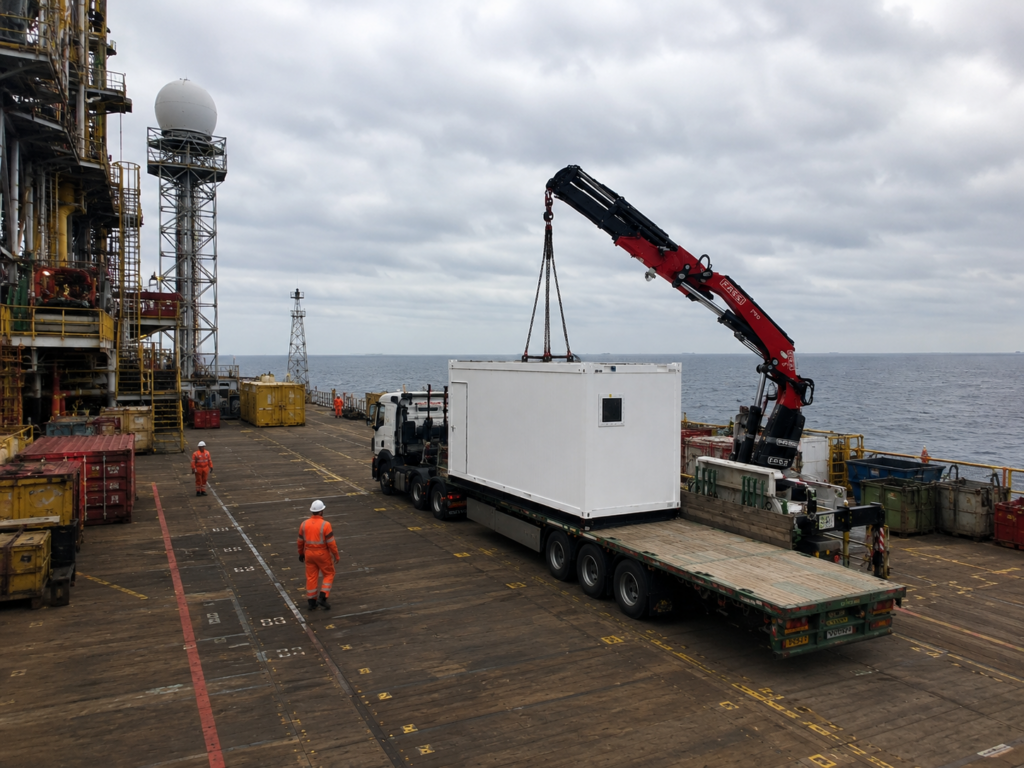
Temporary buildings are crucial in remote site operations, as they give projects a practical way to get started quickly. Our modular solutions are built off-site and can be lifted and shifted into place, allowing teams to have access to functional spaces as soon as they arrive instead of waiting around for traditional builds to catch up. That speed makes a genuine difference to how soon a site becomes operational, whatever the industry or location involved. On top of that, as modular is designed to move on once the project is done, there’s no building left behind when the work is finished.
Why Remote Locations Demand a Different Approach to Building
Remote sites usually don’t have much existing infrastructure to work with, and the weather often also becomes hard to predict.
Traditional construction depends on factors that are hard to guarantee in remote settings, like a steady supply chain, local labour, and enough time to deal with delays. Materials may take longer to arrive, conditions can certainly become harder to work in, and days without proper facilities will ultimately lead to loss of productivity.
Temporary buildings can avoid this as they’re built away from the site itself, in factory-controlled settings, meaning that variables like the weather have much less impact. The rapid deployment in modular construction lets teams get set up with proper space much faster than a traditional build, but what is rapid deployment in modular?
Built to Move: The Case for Rapid Deployment
Rapid deployment means getting a site from empty to fully operational in days rather than months, something that can’t be done in traditional builds. Most of the work happens before a temporary building ever even reaches the site, as it’s manufactured in factory-controlled environments. Therefore, rather than being built up on site, it can be lifted into place and ready to use almost instantly. For remote projects, where such small delays can massively impact the entire project, the speed that modular brings matters greatly.
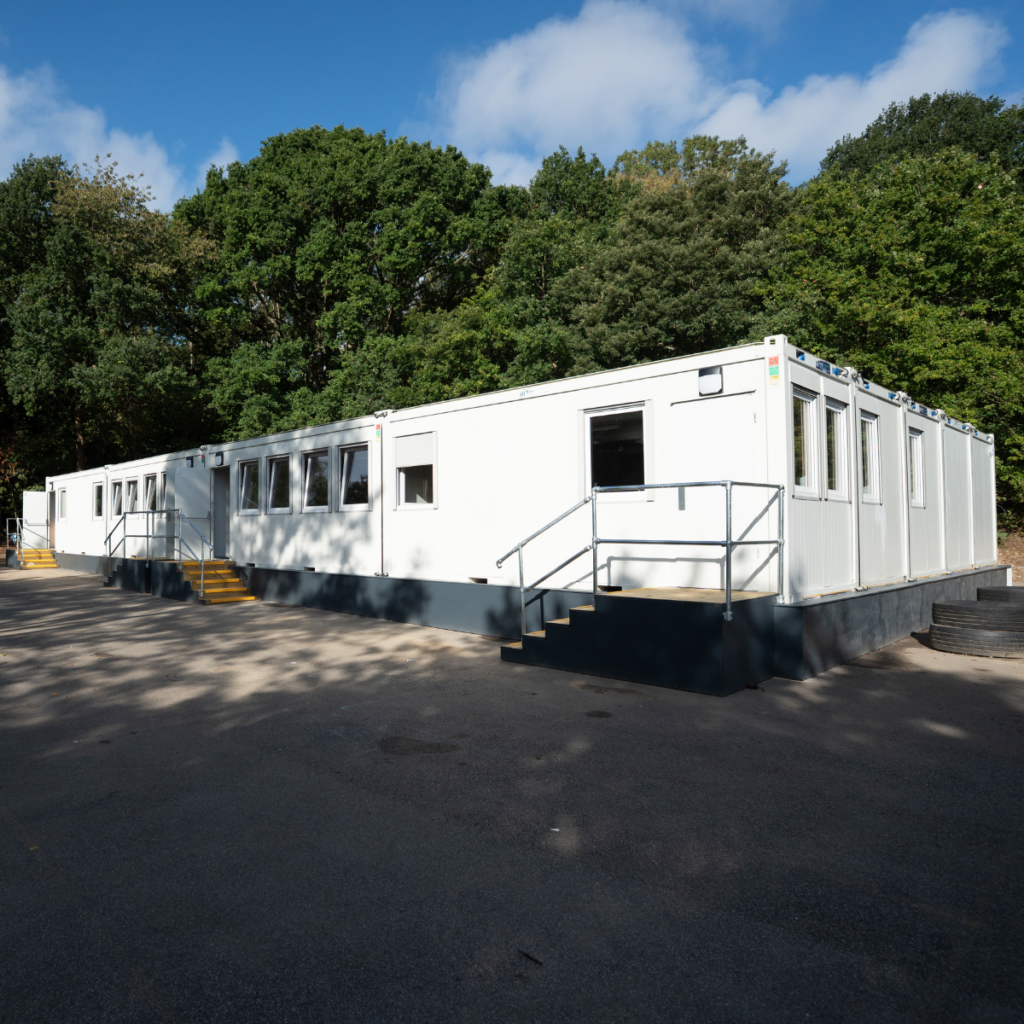
Take a look at our projects to see the speed of our delivery.
Keeping Oil & Gas Operations Running, Wherever They Are
Locations for oil and gas sites tend to be challenging. Sites can be exposed to extreme heat, offshore winds, or other harsh conditions. As a result, anything constructed there needs to match that resilience, and our temporary buildings reinforce this through a 20-year lifespan guarantee on each modular unit.
This gives you the confidence that what’s installed will hold up for the long run, even in the most demanding environments.
Our oil and gas concept project, the Offshore Oil Concept, is a good example of this in practice. It’s a three-storey modular accommodation design to make the most of a tight offshore layout, without compromising on space or comfort.
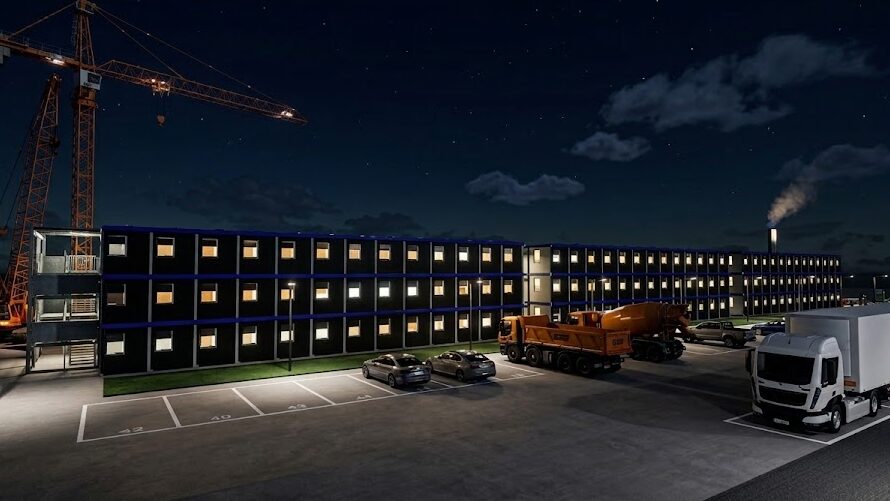
Read more on the Offshore Oil Concept here.
Supporting Defence Teams in the Field
Defence operations often need space set up with very little notice. Traditional builds simply aren’t an option here when time is tight, marking the importance of temporary buildings. They’re ready to assemble the moment they arrive, are adaptable, and built to hold up to demanding conditions.
Our Eastleigh Village Concept is a strong example of this at scale, a purpose-built army camp for over 400 people bringing together eating, sleeping, socialising, fitness and learning spaces into a single, cohesive modular village.
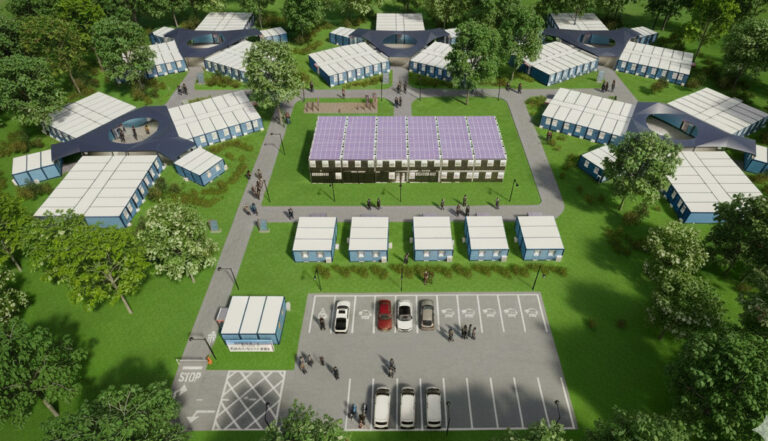
Read more on the Eastleigh Village concept here.
Conclusion
Remote site operations face different daily demands depending on the industry, but the underlying challenge usually stays the same. It comes down to getting the right space in place quickly, somewhere with very little to work with.
Temporary buildings have become the practical solution, as they’re built to move fast, built to last, and flexible enough to adapt.