On large construction projects, time often slips away unnoticed, eventually turning into a major issue. Delays and setbacks can accumulate, making work feel oppressive. In such situations, minimising downtime is essential for staying on track. Modular solutions become crucial here, providing projects with better control, enabling rapid deployment, and giving the flexibility to progress smoothly without avoidable delays.
The Cost of Downtime on Major Projects
On major projects, it’s rare to see downtime come from a single issue. Instead, it accumulates gradually. Situations could fall out of sync if there are delays or circumstances such as missed deliveries. When this occurs, it affects more than just one part of the project.
What makes it even more challenging is how rapidly a single issue can affect everything else, and when just one small disruption happens, multiple activities could be pushed back. As a result, that loss of rhythm becomes harder to recover from, and getting things moving again may take more time and resources than expected.
Why Traditional Builds Cause Delays
The way that traditional construction is set up is the reason for those problems, but why?
The process of a traditional build tends to follow a sequence, with each stage being dependent on the one before it. If anything slows down, then the whole operation feels the impact.
With that, site conditions are rarely predictable, and all projects can struggle when too many variables are outside of control. It becomes difficult to maintain a steady pace when so much depends on what is happening on-site at any given moment.
How Modular Construction Changes the Process
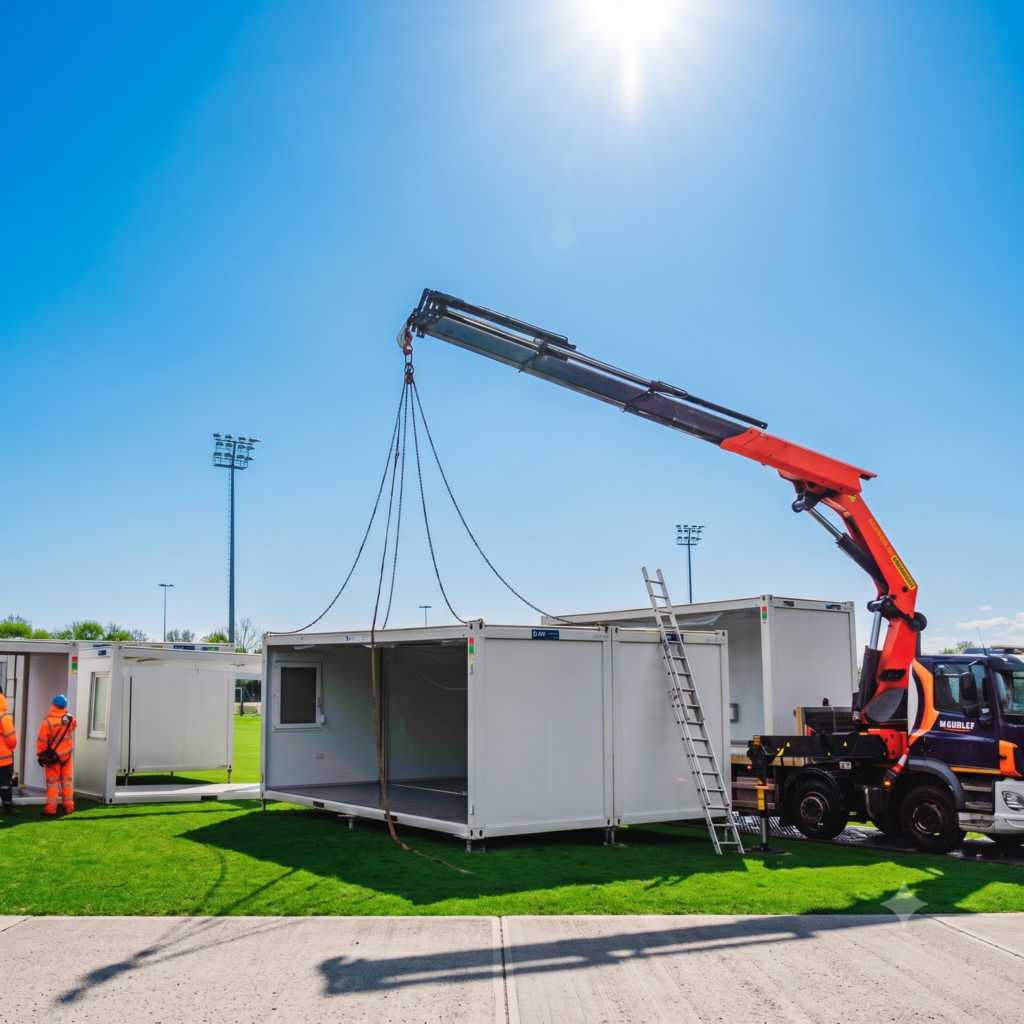
This is where modular construction shifts that direction. Instead of relying entirely on site-based activity, modular buildings are produced in a controlled environment while the site is being prepared.
That change alone removes the waiting time that typically slows projects down. It also reduces exposure to external factors, giving teams more control over how and when key parts of the project are delivered.
Faster Installation and Rapid Deployment
Installation becomes a much shorter process once units arrive on-site, as there is far less disruption. What would be a long procedure can be completed in a fraction of the time with modular, allowing teams to get working sooner.
At Maxi Space, we demonstrated this rapid deployment during the Billericay School project. After the school faced structural issues in their existing buildings, we provided eight temporary modular classrooms, and from initial contact to completion, the new classrooms were ready for use in just 4 weeks.
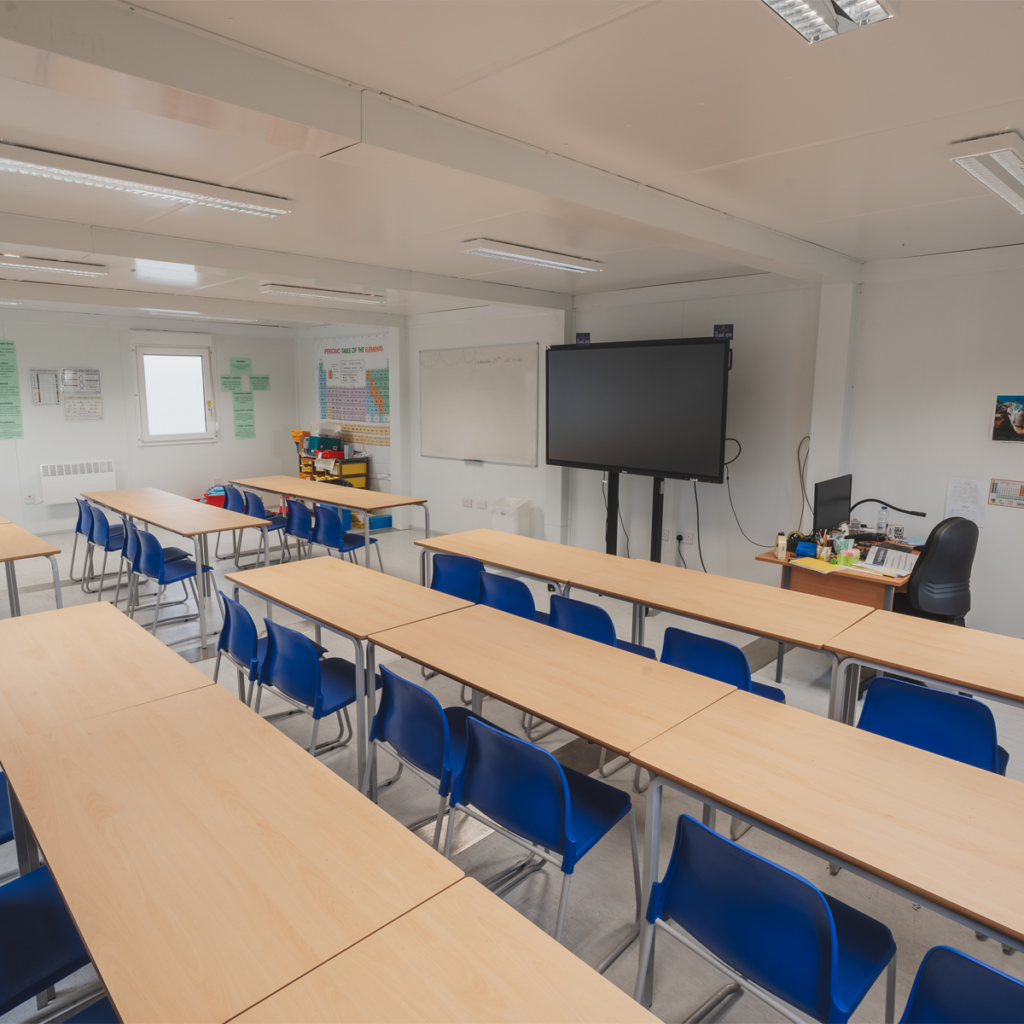
Read more on the Billericay School project here.
Instead of spending long periods setting up infrastructure, projects through modular construction can move forward immediately, helping to maintain momentum and also reducing the risk of delays building up elsewhere.
Improved Predictability and Control
When it comes to Modular solutions, there is a noticeable difference in how predictable the process becomes. This is because most of the uncertainty is taken away as manufacturing happens under controlled conditions and there are fewer setbacks.
Therefore, this level of control gives project teams more confidence in planning. When delivery dates are more reliable and the quality is consistent, it becomes easier to manage schedules without adjusting times.
Long-Term Efficiency Through Reuse
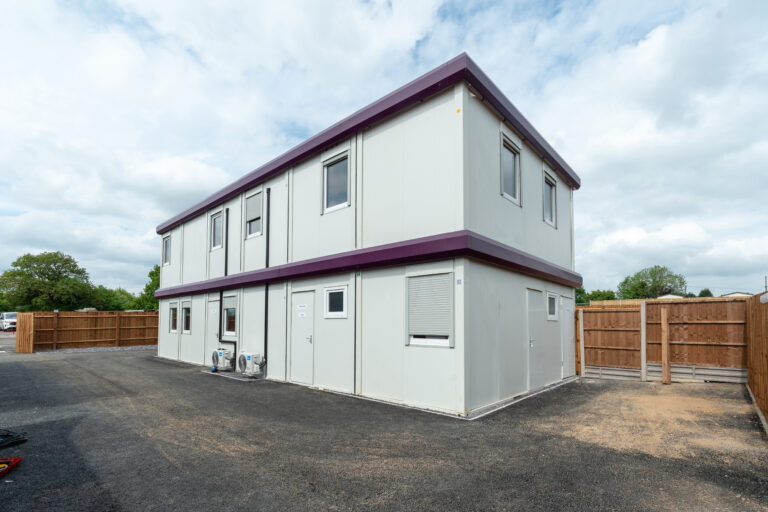
After the initial installation, most traditional builds are overlooked. Modular buildings should not be treated as single-use, as they can be relocated, reconfigured, and used again as projects progress.
As a result, downtime between phases is reduced because there is no need to start from scratch each time. Instead, the same modular solution can be quickly brought back into use, helping projects advance more quickly.
Conclusion
Overall, it comes down to how well time is managed. Modular construction gives projects a way to stay in control, reducing the delays that may build up when everything depends on site conditions.
When progress proceeds smoothly without interruptions, the risk of downtime decreases significantly, allowing projects to advance with increased confidence.