
Across the UK, schools faced an escalating building crisis driven by the widespread failure of RAAC (Reinforced Autoclaved Aerated Concrete), a lightweight form of concrete used between the 1950s and 1990s that has a much shorter lifespan than traditional concrete.
In 2024, 280 schools and colleges have confirmed cases of RAAC within their buildings, affecting around 700,000 students, with rectification planned by 2029. During the crisis, pupils were moved out of permanent classrooms and into temporary spaces while urgent repairs took place.
RAAC as a modern lightweight durable material follows a much longer construction history. Over 2,000 years ago the Romans used an early form of lightweight concrete to build the Pantheon. This used pumice stone as aggregate within the concrete which has withstood earthquakes, wars, and heavy foot traffic since it was constructed.
In contrast, the RAAC used in UK schools from the 1950s to the 1990s has a design life of approx. 30 years and its limited lifespan is now evident.
The comparison may raise a smile, but the underlying issue is clear: RAAC’s limited lifespan is now catching up with schools and temporary modular structures are an important solution to support on-going repair and maintenance in the sector.
Building Maintenance and Why RAAC Fell Short
RAAC, a modern form of lightweight concrete, provided quick and cost-effective construction in the post-war period, becoming popular for schools and public buildings. However, its porous design makes it susceptible to moisture ingress, which can corrode the steel reinforcement and weaken the panels from within. Because this damage is often hidden, structural failures may happen unexpectedly, creating serious safety concerns.
Had the moisture ingress been prevented from on-going maintenance and a mean time between failure (MTBF) analysis of the material been used to plan the upgrade the crisis may well have been averted.
MTBF: Why Buildings Fail When Maintenance Falls Behind
In sectors like aerospace, MTBF (Mean Time Between Failure) ensures that parts are replaced before they fail. This proactive approach prevents disruption. In contrast, school estates have faced decades of budget pressure, where essential maintenance is often delayed in favour of more immediate operational needs.
When materials such as RAAC are used beyond their useful life expectancy, the MTBF ‘bathtub curve’ catches up: issues that should have been predictable become sudden failures, forcing schools to shut affected areas and act reactively rather than preventatively. As more buildings exceed their design life, closures, emergency repairs, and disrupted education become increasingly common.
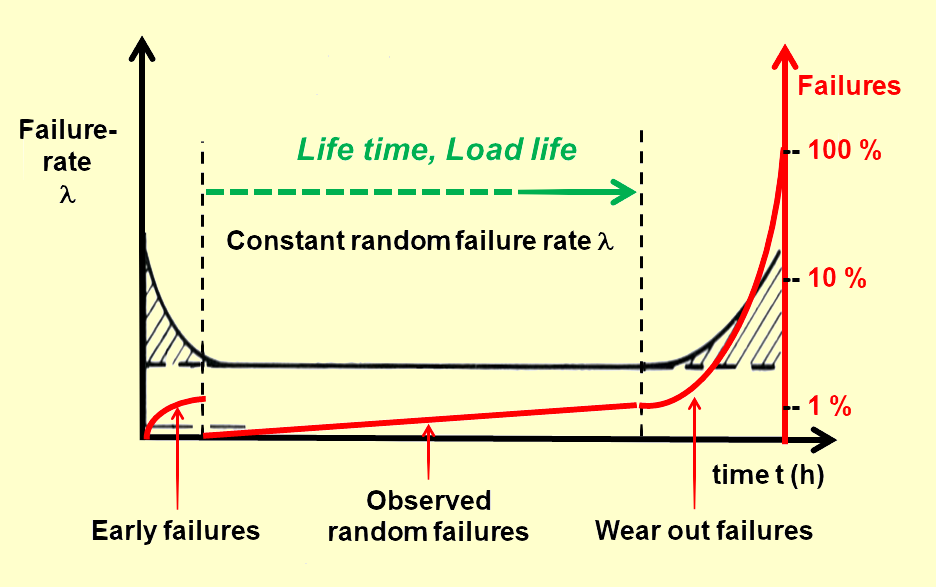
The bathtub curve via Wikipedia

This is why temporary modular buildings and rapid-deployment classrooms have become so important. When RAAC reaches the end of its usable life, modular solutions step in to keep lessons running, providing safe, modern, fully functional learning spaces while long-term repairs take place. They transform what could be a major disruption into continuity.
Modular in Action: The Billericay School Case Study
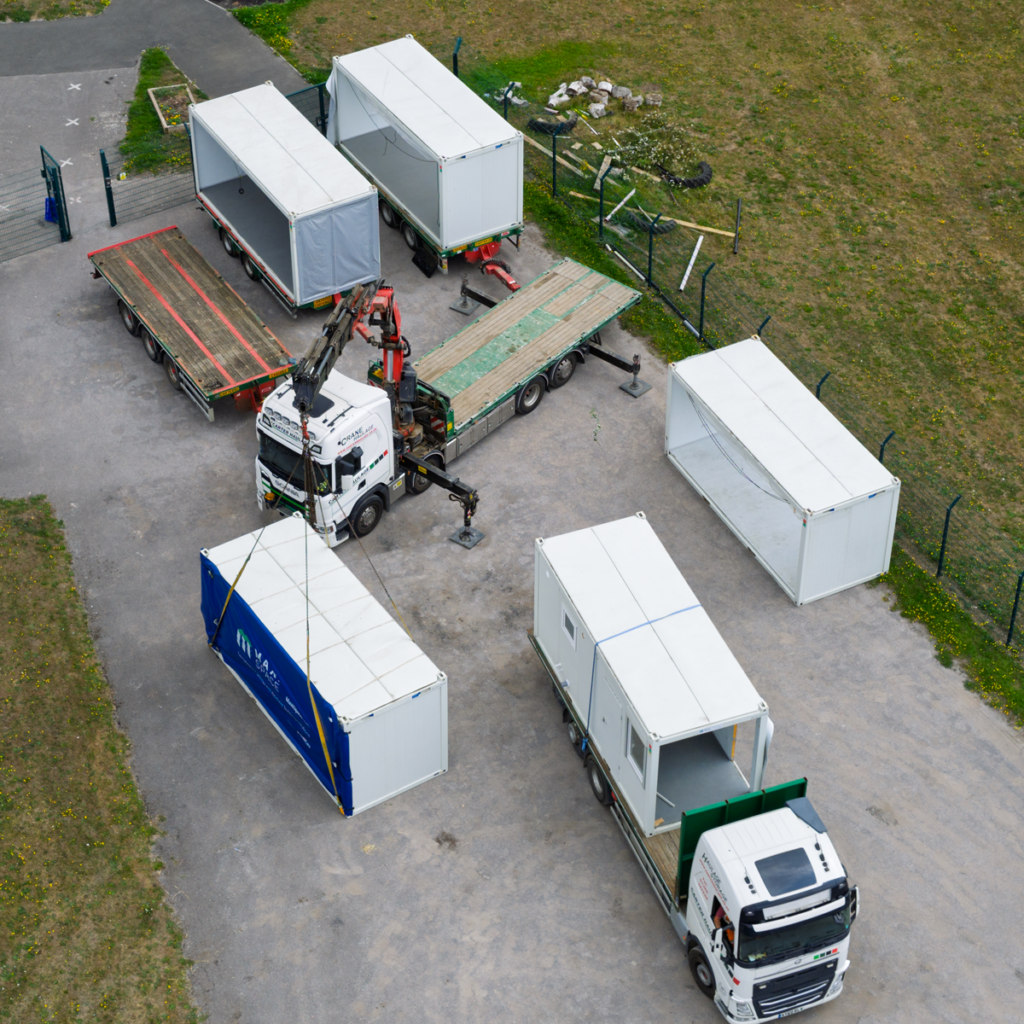
When RAAC was identified at Billericay School, parts of the estate had to be closed immediately, leaving the school without enough safe teaching spaces. To keep pupils learning safely on site, the school needed modular classrooms delivered at pace, and Maxi Space responded immediately.
The challenges faced at Billericay School are common across the country: ageing buildings, long-standing maintenance backlogs, sudden decanting, and the need to stay fully operational during repairs. By installing modular accommodation within just four weeks from initial contact to completion, Maxi Space ensured the school could provide a stable, safe environment for pupils and staff.
Read more about The Billericay School project here.

Conclusion
As RAAC continues to challenge schools across the UK, the reality where ageing materials, limited budgets, and urgent safety concerns demand immediate action, it is critical Asset Managers are planning the refurbishment of Education Estates.
Temporary modular buildings provide safe, high-quality teaching environments, ensuring pupils can keep learning even when permanent buildings are not available.
As education evolves and infrastructure needs continue to shift, modular construction is stepping up as a lasting solution, enabling schools to move forward with confidence.

Sources
- TrueGeometry (2024). The Growing Crisis in Education. Available at:
https://blog.truegeometry.com/api/exploreHTML/3813f3f185d70c782ea0515e1b77ff77.exploreHTML - UK Parliament Education Committee (2024). School Buildings and the State of the Education Estate. Available at:
https://publications.parliament.uk/pa/cm5901/cmselect/cmeduc/1399/report.html - BBC News (2024). England School Buildings: The Hidden Crisis. Available at:
https://www.bbc.co.uk/news/articles/c0rj84911qgo - Bathtub Curve Image: https://upload.wikimedia.org/wikipedia/commons/5/5b/Elko-Badewannenkurve-english.png
Written by Jack Sykes – Digital Marketing Assistant at Davro Group