Modular construction has quietly changed what’s possible when it comes to delivering a building on time. Moving production into a factory setting brings a level of control that’s simply hard to replicate anywhere else, and that control is what makes both quality and speed predictable rather than something you hope for.
What Happens Inside a Factory-Controlled Environment?
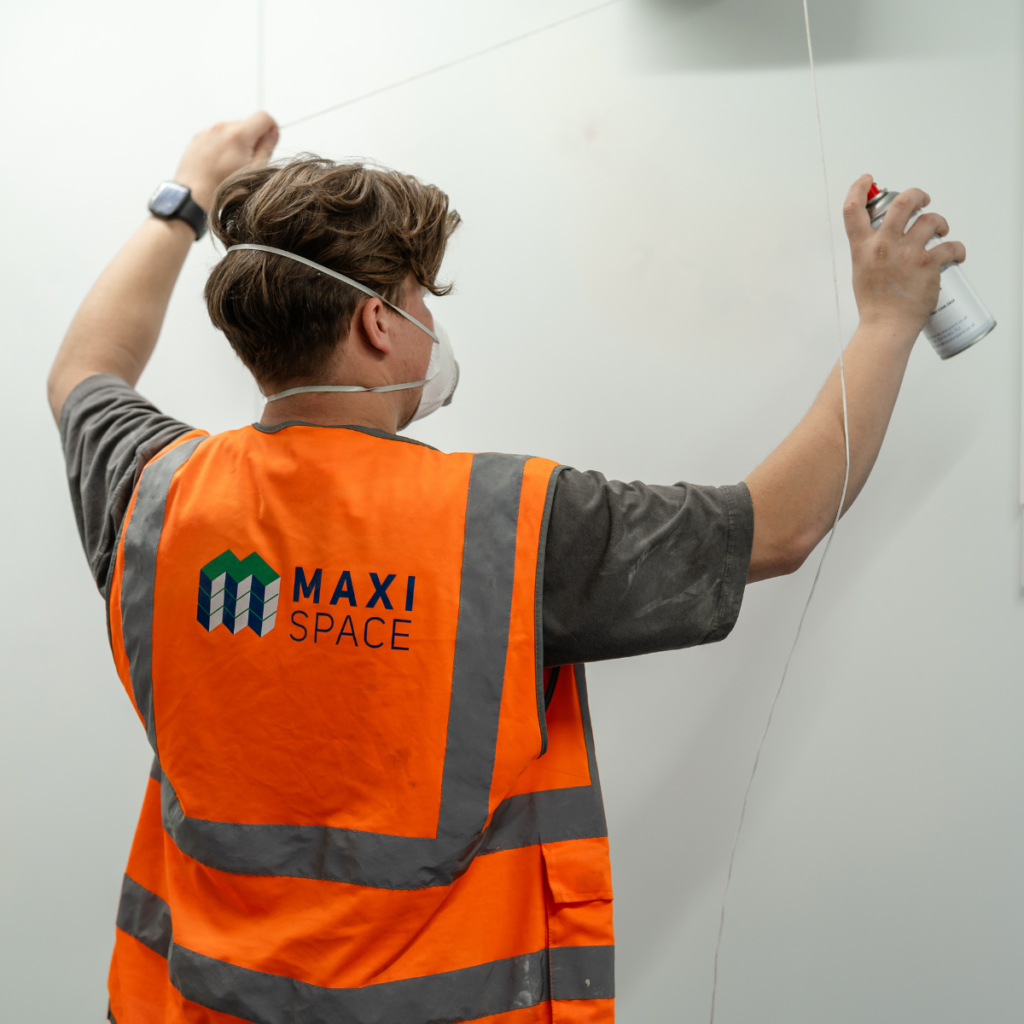
Factories aren’t affected by the weather outside. That fact changes almost everything about how a building gets made. In modular construction, units are produced under consistent conditions, with materials measured, cut and assembled to fixed specifications rather than guessed. Around 70% of a typical modular project is completed this way before it even reaches its final location, according to Modulek, which is a substantial shift away from how conventional building has always worked. This is where modular solutions start to look less like an alternative to traditional construction and more like an upgrade to how buildings are made in the first place.
Why Quality Improves When Conditions Are Controlled
A controlled environment tends to produce a more reliable result, and this also applies to modular construction. There are always inspections during production in factory settings, so issues can be picked up well before the unit ever leaves the building. Materials also stay protected from weather conditions and other factors that can affect the finished product, helping it hold up better throughout the years and reinforcing the 20-year lifespan guarantee we promise at Maxi Space.
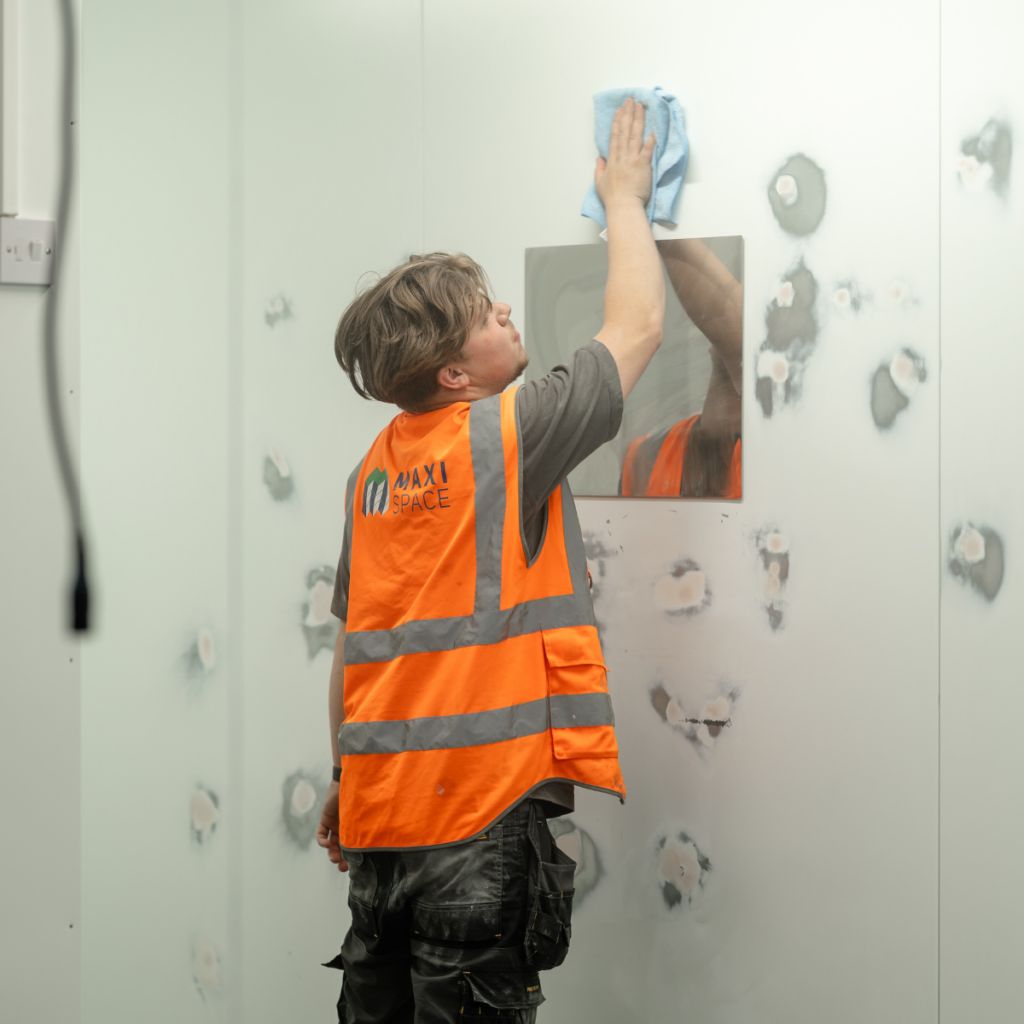
Ultimately, this is because we treat the manufacturing process as something that can be repeated and refined, which traditional construction struggles to match.
The Speed Advantage of Modular: Building in Parallel
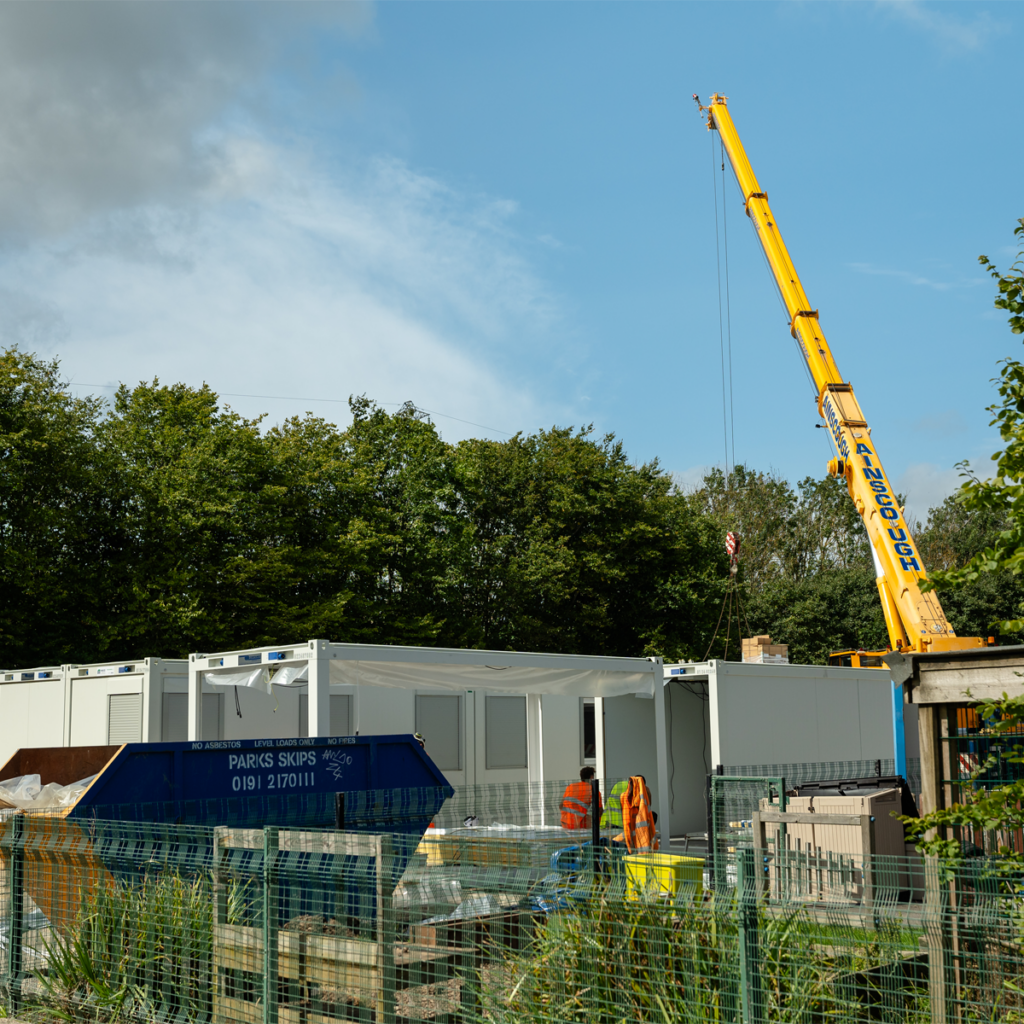
While groundworks are being prepared on site, the building itself can also be made. These two processes happen side by side rather than one after another, and that overlap is where most of the time savings come from. Reported by PAD Magazine, programme times can be cut by as much as 50% compared with traditional methods, depending on the scale and complexity of the project. This is what rapid deployment ultimately means in practice, as there are two stages of a project running at once instead of waiting for the other to finish. For a business relying on new space, that difference matters. Months saved on a build result in months of a site actually being used.
Rapid deployment isn’t just relevant to emergencies or remote locations, as the same principle applies to any project. Getting a building finished sooner, without cutting corners or sacrificing quality, is useful in almost every context, and it’s a key reason modular construction often outpaces a traditional build.
What This Means for Businesses Choosing Modular
For most businesses needing reliable, high-quality space delivered fast, it’s difficult to turn away from modular construction. Factory-controlled settings keep quality consistent, and building in parallel keeps timing predictable. Together, these two advantages explain why modular solutions are increasingly seen as the obvious choice.
Sources
- Modulek, Modular Building vs Traditional — https://modulek.co.uk/modular-construction/modular-vs-traditional/
- PAD Magazine, Why Modular & Refurbished Buildings Are Poised to Solve the UK’s Construction Bottleneck — https://www.padmagazine.co.uk/planning-developments/why-modular-refurbished-buildings-are-poised-to-solve-the-uks-construction-bottleneck/31380/