
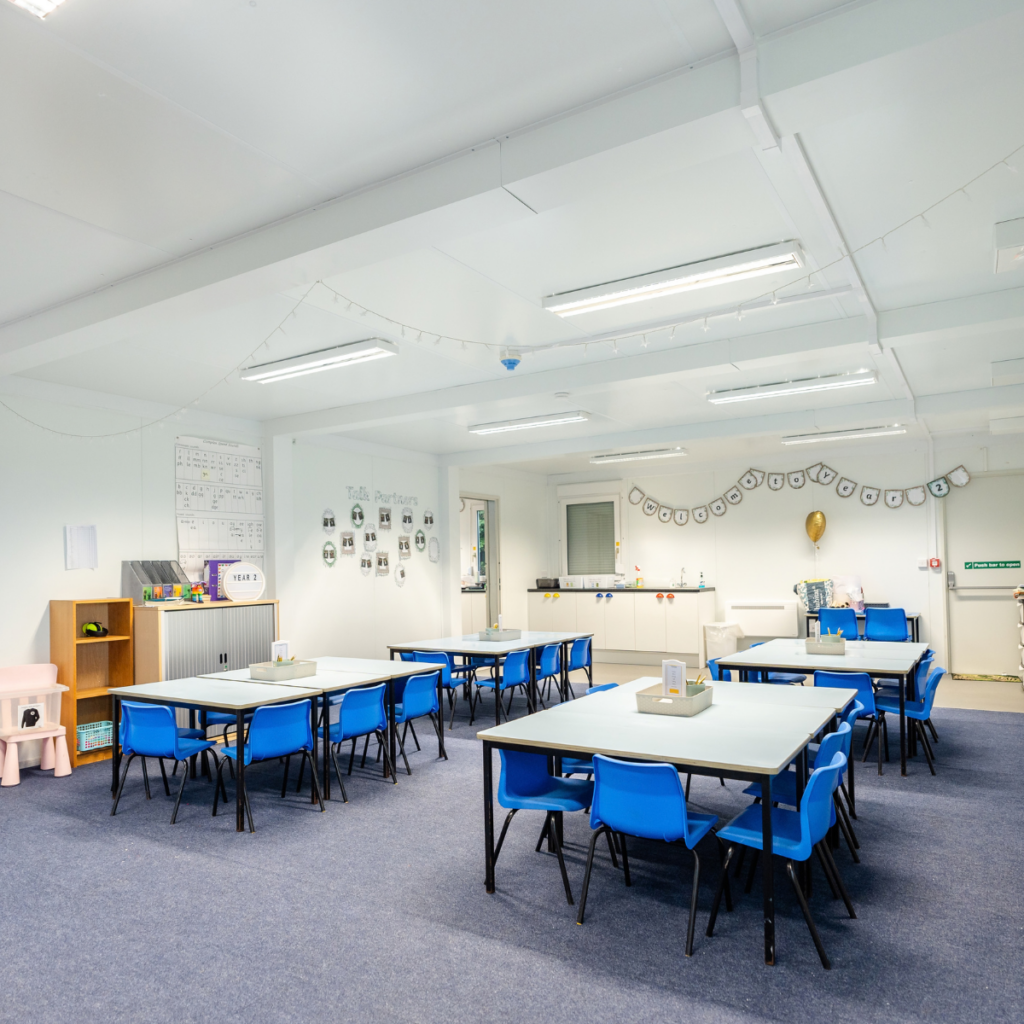
What will a classroom need to look like in five, ten, or even twenty years?
It is difficult to know exactly how education requirements will change. Teaching methods will continue to develop (as they always have), technology will become more integrated, and the needs of pupils and staff will evolve. What is more certain is that the buildings supporting learning need to be able to adapt with them.
Creating learning spaces for the future is about producing environments that are inclusive and flexible so that they can support different ways of teaching and learning over time.
For schools considering modular buildings, the focus should be on creating spaces that can meet current needs while remaining adaptable as requirements change.
Designing Around How Learning Happens
Instead of restricting it, the classroom should support the way teaching takes place. Additionally, different lessons do require different environments, and teachers should have access to classroom layouts that can be adapted to suit different activities and ways of learning.
This is why flexibility should be considered from the beginning of the design.
Versatile furniture and adaptable layouts can make it easier to use the same learning space for different activities throughout the school day. Spaces that can serve multiple purposes also give teachers greater flexibility in how they use the classroom.
This approach can also be applied to the building itself. Modular buildings can be designed around a school’s current requirements, while allowing the space to be adapted as those needs develop over time.
Responding to Changing Needs
The needs of a school can change for many reasons, from increasing pupil numbers and developing teaching methods to unexpected emergencies or urgent building work.
This makes it important to consider how a learning space might serve purposes beyond its original design. Modular classrooms can provide additional accommodation when it is needed, while their adaptable design also means the space can be configured around different requirements.
Modular buildings can also provide a solution when schools need to respond to changes, whether that involves creating additional teaching space, accommodating building works or responding to an unexpected situation.
Comfort and Inclusion
Natural light, ventilation, temperature, acoustics and lighting can all affect how comfortable a space is throughout the day. This makes them important considerations when creating a learning environment.
And equally as important is accessibility. Education spaces need to accommodate different needs with suitable and clear access to help make them inclusive for everyone using them.
These considerations can be incorporated into the design from the very beginning, when it comes to modular buildings. They help to create spaces that support the daily needs of pupils and staff.
Sustainability and Building Performance
Sustainability is another huge consideration when planning learning spaces. Energy efficiency, natural light, ventilation and the materials used in construction can all affect how a building performs and operates over time.
These factors can be considered throughout the design and manufacturing process with modular buildings. Off-site manufacturing can help reduce material waste and limit the amount of work required on site, whilst also providing more control over the construction process. This provides schools with an additional way to consider the environmental impact of their learning spaces, from how they are manufactured through to how they are used.
Where Modular Construction Fits
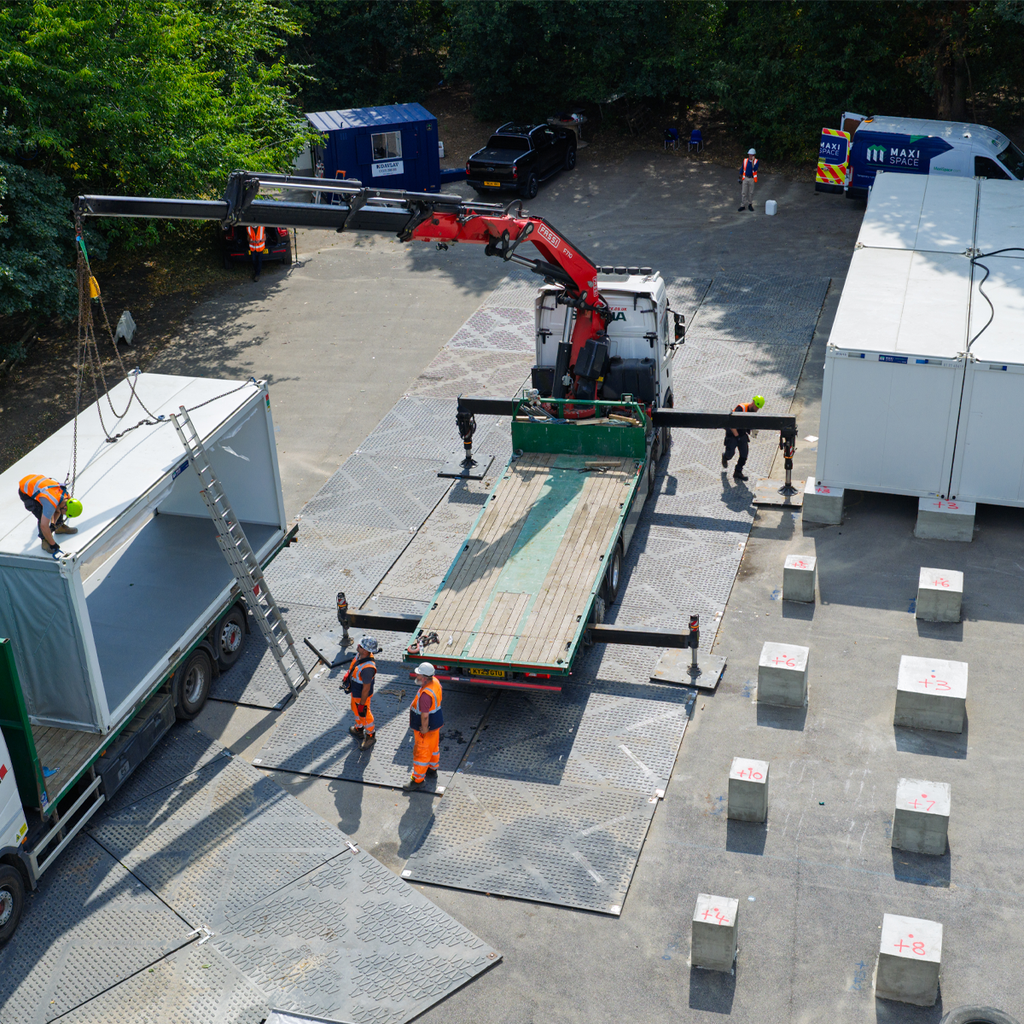
Modular construction provides schools with another way to create learning spaces around bespoke requirements. A lot of the construction takes place off-site, with the building manufactured before being delivered and installed at the school.
This approach becomes extremely useful when additional space is needed without the level of disruption that could come with traditional construction methods.
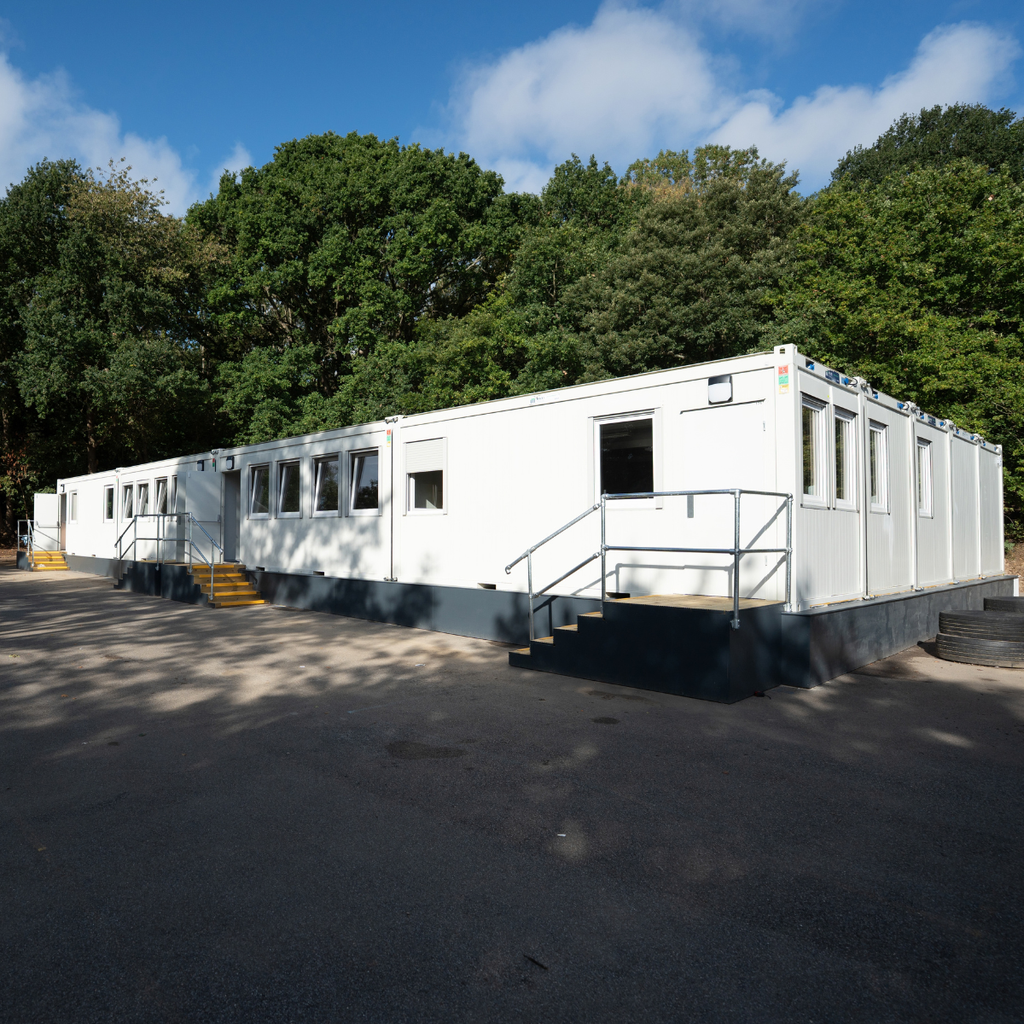
Modular classrooms can be designed for a wide range of educational uses, with layouts and specifications tailored to the needs of the school.
Furthermore, modular buildings are useful for adapting to changing requirements. Their lift-and-shift ability means they can be reconfigured or relocated where needed, giving schools the option to adapt the space as circumstances change.
Off-site manufacturing also allows more of the construction work to take place away from the school environment, helping to reduce the amount of activity taking place on site while the building is being prepared. This is a strong benefit, as it can help limit disruption to pupils and staff while the new space is being delivered.
Creating Spaces That Can Evolve
Creating learning spaces for the future means creating environments that can adapt as the needs of the pupils and staff change.
Modular buildings support this approach by providing learning spaces designed around current requirements, with consideration of future changes and allowing for that change when necessary.