
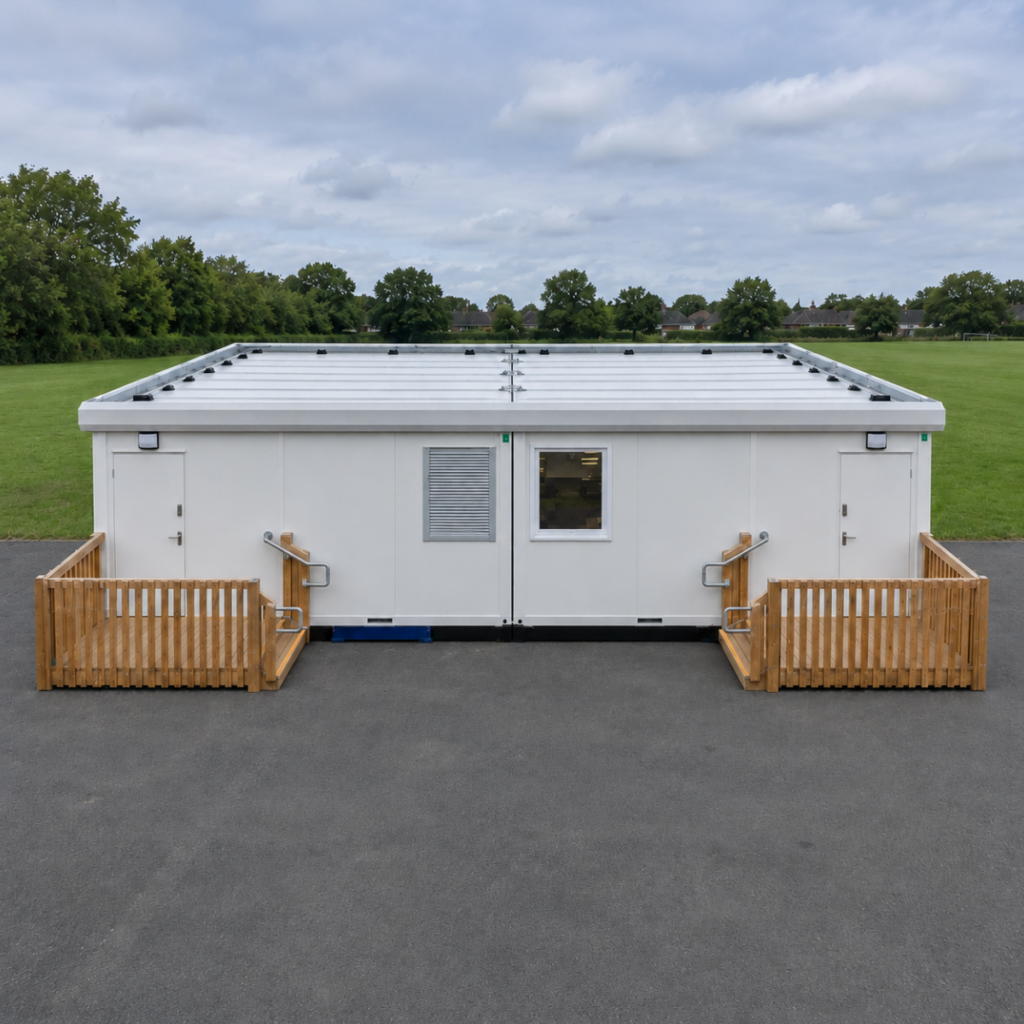
SEND classrooms should accommodate different learning requirements, with the internal environment playing an important role in how pupils experience their school day.
With modular buildings, schools have the opportunity to consider these requirements from the very beginning of the design process. From internal layouts all the way through to acoustic performance, the building can be configured around the activities taking place and the individual needs of those using it.
Space Planning and Creating Dedicated Learning Zones
One of the most important considerations when designing SEND classrooms is how the available floor area will be used.
Sometimes, pupils benefit from different environments which is why dividing a building into dedicated areas can be particularly useful. For example, an open learning area may accommodate collaborative activities, while a separate, quieter room can be used for individual support sessions.
The internal layout can be planned around these different requirements instead of following a fixed classroom arrangement.
Internal partitions can also help establish boundaries between activities, meaning that multiple groups can use the same modular building without occupying one shared teaching area.
Acoustic Design and Managing Noise Level
What becomes particularly important within SEND learning environments is acoustic comfort, especially where pupils may be more sensitive to noise.
When different activities take place simultaneously, sound travelling between rooms or reflecting off hard surfaces can make concentration more difficult. This is why the materials used throughout the building should be considered carefully.
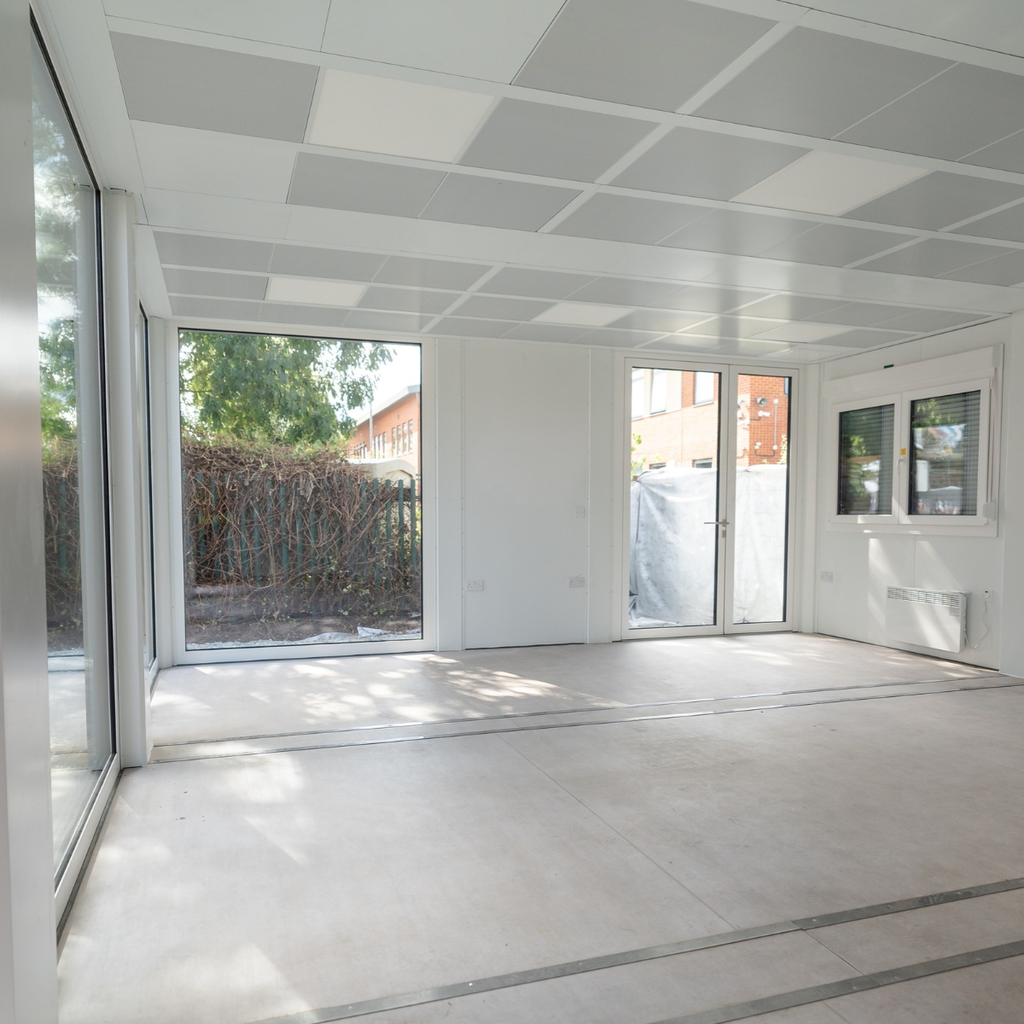
Suspended ceilings can play an important role in managing noise levels within SEND classrooms. These ceilings are installed below the main ceiling structure and can be fitted with specialist acoustic tiles that absorb sound.
We also offer magnetic flooring which allows individual floor panels to be removed and replaced without adhesives. The selected flooring system must still be assessed for its acoustic performance, particularly in modular classrooms where noise control is important.
Interactive Teaching Walls and Internal Customisation
The design of internal walls can influence how a classroom is used throughout the day.
Dedicated teaching walls give the chance for interactive displays and writing surfaces, so when activities adapt, the entire room doesn’t need rearranging. This is useful where teaching methods vary between individual pupils or groups.
Internal finishes also contribute to the atmosphere of a learning space. On some occasions, the finishes and colour selected for the interior can influence how the space feels. Additionally to this, different colour schemes can help distinguish different areas. The choice of materials allows the overall appearance to be tailored to the school’s preferences which gives schools that extra level of flexibility when creating SEND classrooms that reflect the needs of their pupils.
Temperature Control and Maintaining a Comfortable Environment
Rooms throughout the school day need to remain comfortable throughout, so temperature is another important factor to consider when designing learning environments.
Heating and air conditioning systems can be implemented into our modular classrooms to help regulate the indoor temperatures. Adjustable controls allow staff to maintain a comfortable environment for pupils and teachers all year round.
The right approach is dependent on the building’s layout and how each space is used. For example, rooms with various levels of occupancy or exposure to sunlight might have different heating or cooling requirements.
Glazing and Making the Most of Natural Light
Natural light can play a huge part in terms of the internal feel of a space. Glazing allows daylight to enter the building, which, if preferred, can create brighter SEND classrooms and reduce the need for artificial lighting during hours of daylight.
The positioning and the amount of glazing can all be determined in the design stage of the modular solution, after taking into account how the space will be used and what the layout of the room will be.
Designing SEND Spaces Around the Pupils Who Use Them
Every school has different requirements. Requirements that highlight the importance of considering the design of SEND spaces from the beginning. Each and every element of a learning environment contributes to what pupils experience daily.
This is also why understanding how a school wants its space to be used is so important. We are working with Planning Learning Spaces in Practice, whose framework helps schools connect their educational vision with the way learning spaces are designed. By looking at teaching activities, learning behaviours and how pupils interact with their surroundings, schools can make more informed decisions about the layout and features they need.
We bring this thinking into the design of our modular solutions, working with schools to consider how their SEND classrooms can support the pupils and staff who will use them.