
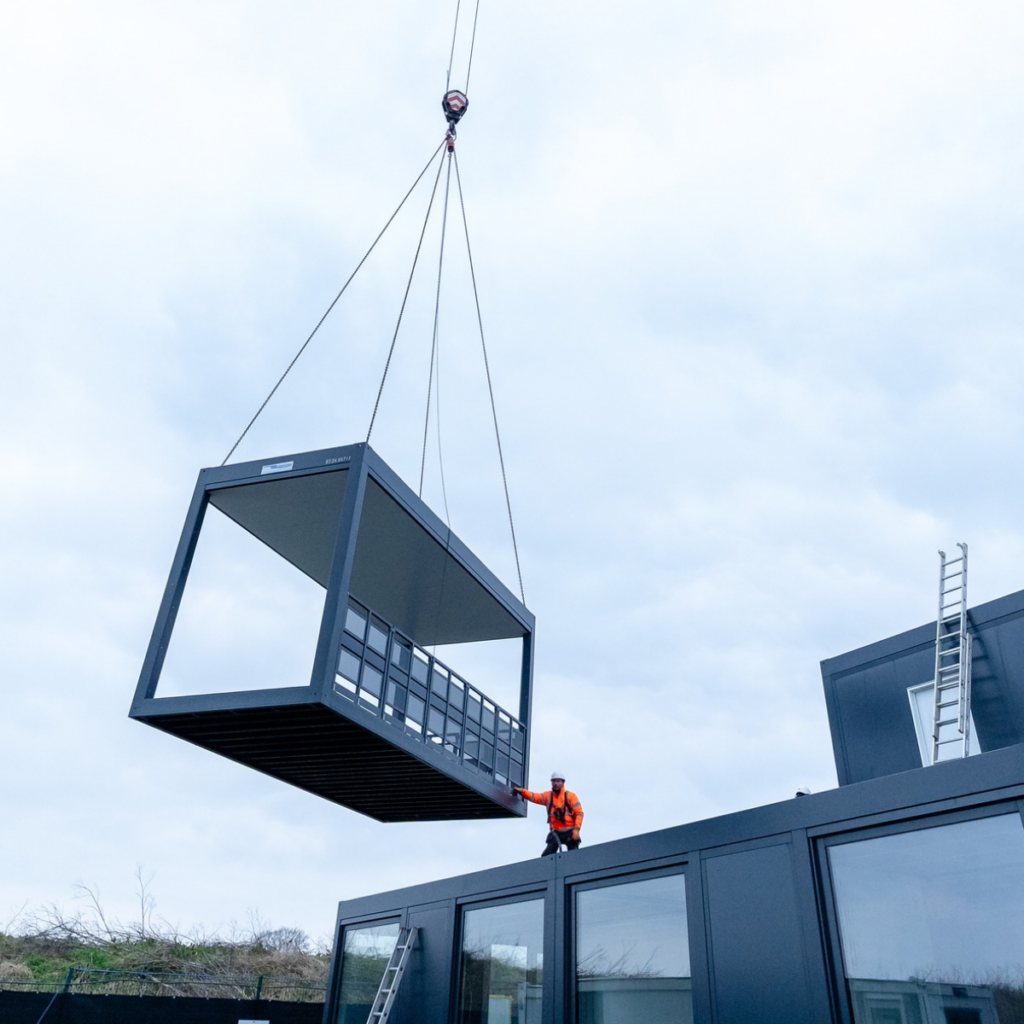
Before a modular solution can be installed, there are several important preparations that must take place on-site. Although most of the construction takes place away from the site in a factory-controlled environment, the site itself still needs to be ready before the modular units arrive.
For the building to be installed safely and efficiently, preparation plays a huge part.
Assessing the Site and Ground Conditions
Before any installation or anything else happens, the site should be assessed to determine whether it is suitable for the proposed building. Ground conditions can vary considerably between locations, which is why understanding the site’s condition and any preparation required is important.
A site survey can identify any potential issues such as uneven ground or existing underground services that may cause challenges for where the building can be positioned. Poor ground conditions may also require additional preparation before construction begins.
We assess these considerations during the early stages of a project to establish whether the proposed modular solution is suitable for a site and what further preparations could be necessary.
Preparing the Foundations and Groundworks
Foundations are responsible for transferring the weight of the modular buildings safely into the ground. The type of foundation required depends on the building’s size and structural loads as well as the conditions identified during the site assessment.
Depending on these requirements, foundations may consist of concrete pads or more substantial systems designed to support the building.
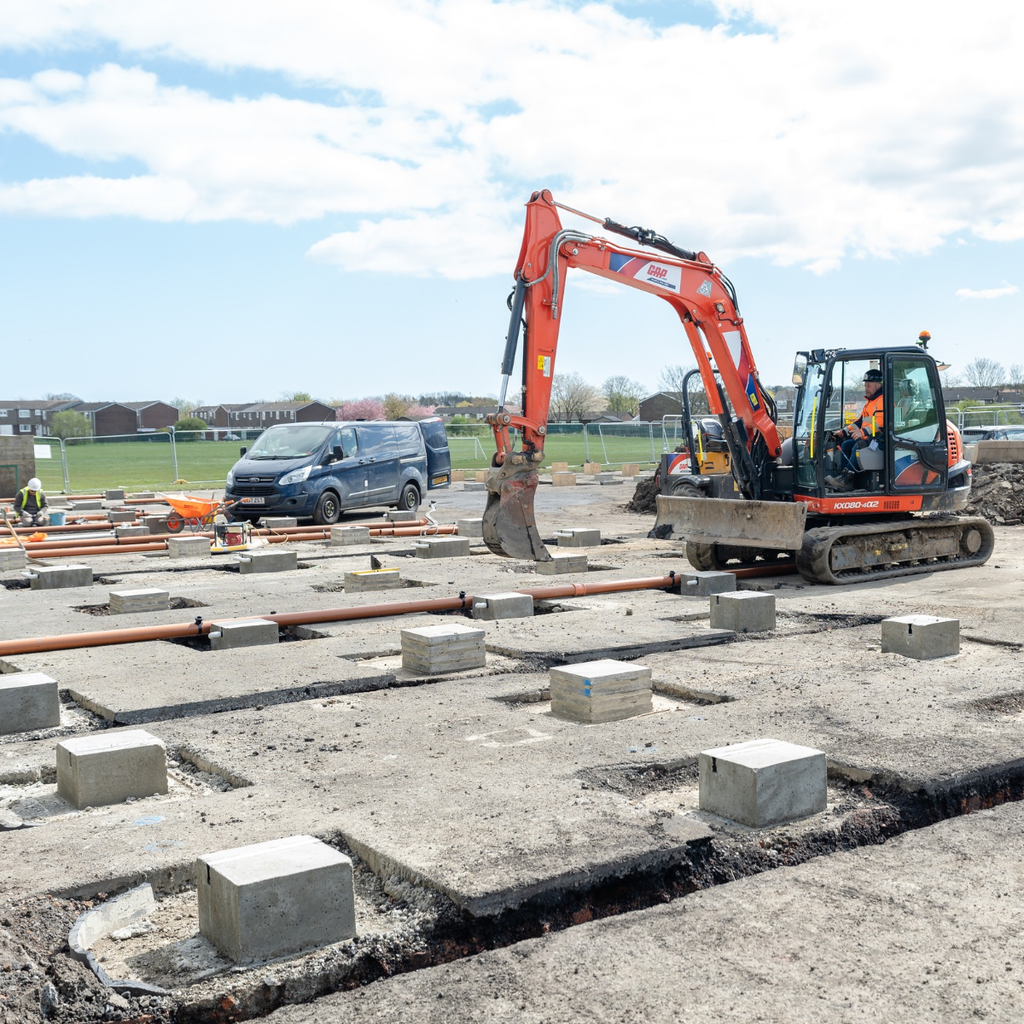
As with most stages, accuracy is particularly important during this stage. The foundations must be positioned and levelled correctly so that the modular units can be installed and connected without any complications.
With modular construction, groundworks can take place concurrently with the off-site manufacturing, massively helping to reduce the overall project programme.
Planning Delivery Routes and Site Access
A consideration that can sometimes be overlooked is whether the delivery vehicles can actually access the installation area.
Transporting a modular solution requires plenty of road width and suitable turning space for larger vehicles. Restricted entrances or overhead obstructions can affect the delivery route and, as a result may require alternative arrangements.
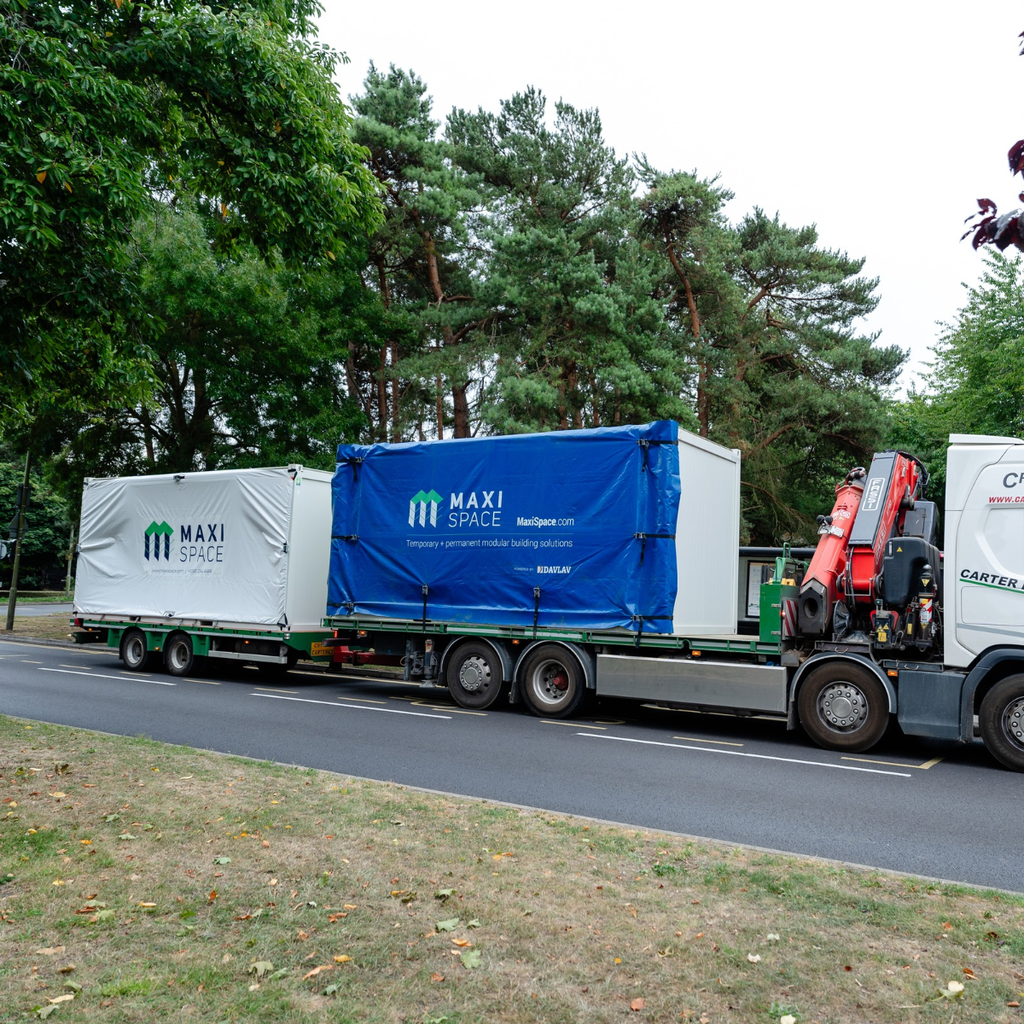
The conditions within the site also matter. Access routes must be capable of supporting the weight of delivery vehicles, especially where the ground is soft or uneven.
Furthermore, where installations take place on an operational site, deliveries may also need to be coordinated appropriately around existing activities to minimise disruption.
Crane Positioning and Lifting Operations
Once the modular units arrive, they must be carefully lifted and positioned onto the prepared foundations. Depending on the building’s configuration, this will typically involve the use of a crane.
Crane positioning requires careful assessment and the ground must be capable of supporting it during lifting operations. The further the crane needs to reach to position a modular unit, the less weight it can safely lift.
A suitable lifting plan must also be established, taking into account surrounding structures and any restrictions that could interfere with the movement of the modules.
This is extremely important for achieving rapid deployment, as the units must be installed in the correct sequence and safely connected to form the completed building.
Preparing Utilities and Service Connections
Before installation, the required utility connections must also be considered. Electricity supplies and drainage arrangements should be assessed early on in the project timeline so that the building can be connected once the modules are in position.
When installation has finished, the remaining connections can be made and the necessary checks carried out before the building is ready for occupation.
We factor in these considerations throughout the design and installation process so that our modular solutions are developed around the requirements of the site.
If you’re planning a modular building installation and would like to discuss the requirements of your site, contact the team, and we will talk it through.