
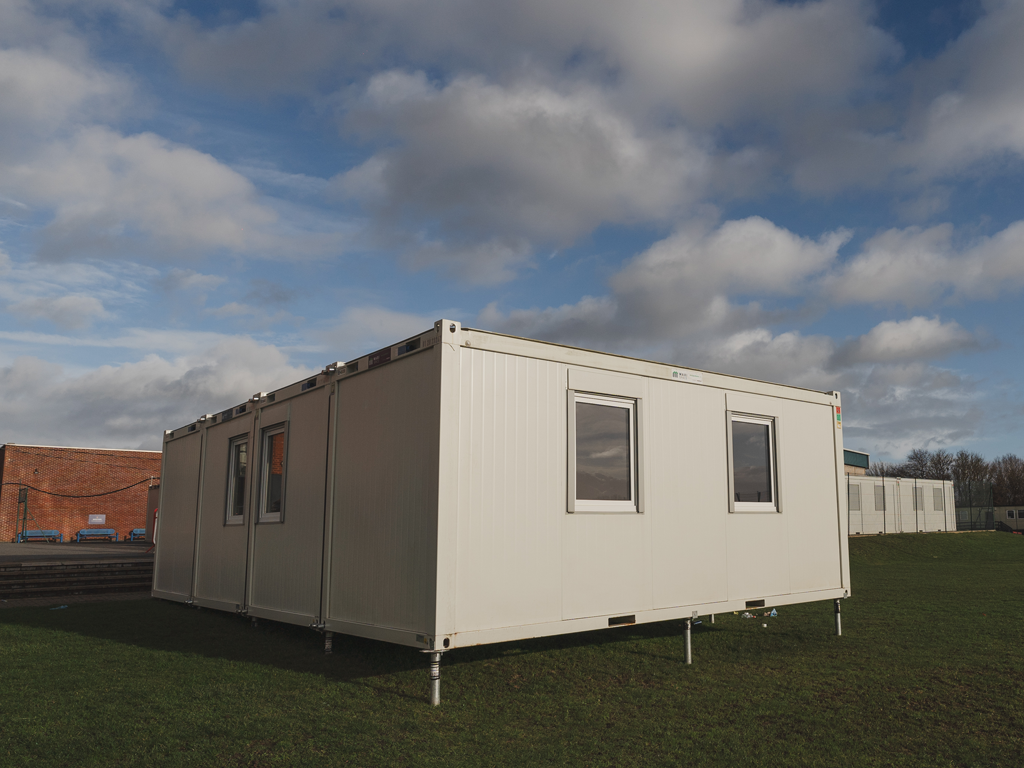
Defence environments require spaces that are reliable, adaptable, and available at short notice. Temporary buildings keep operations functioning by providing secure facilities while permanent structures are developed. Constructed using modular buildings produced in controlled factory environments, these solutions are quick to install and seamlessly integrate with existing sites. When protection, coordination, or rest are needed, temporary shelter creates stable, comfortable environments that help sustain readiness during training, refurbishment, and deployment cycles.
Operational Readiness
Temporary buildings give defence teams the ability to maintain activity while programmes shift and evolve. Produced off-site and delivered ready for installation, they provide functional space without slowing scheduled operations. They are especially useful during refurbishment periods or increases in demand, offering dependable working environments that support training, administration and preparation work.
Built for Demanding Environments
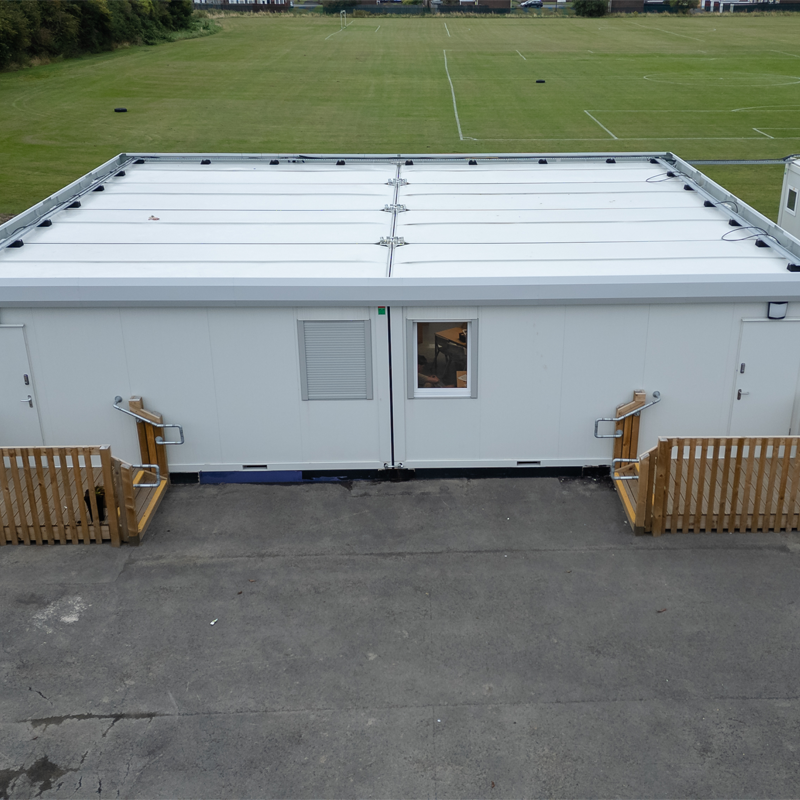
Modular buildings are engineered to perform consistently across a wide range of defence locations. Strong thermal performance, durable interiors and reliable structural integrity make them suitable for bases, remote training areas and temporary operational sites. Factory-controlled manufacturing ensures each building meets the required specifications and connects cleanly to existing services, reducing on-site disruption and simplifying installation.
Shelter that Supports Personnel
Temporary shelter creates a secure and comfortable space for accommodation, welfare activity, administrative work or clinical support. These buildings offer steady internal environments that help maintain focus and well-being throughout operational cycles. Their adaptable layouts allow them to be configured around specific defence requirements, supporting personnel throughout training, deployment or recovery phases.
Infrastructure that Adapts to Demand
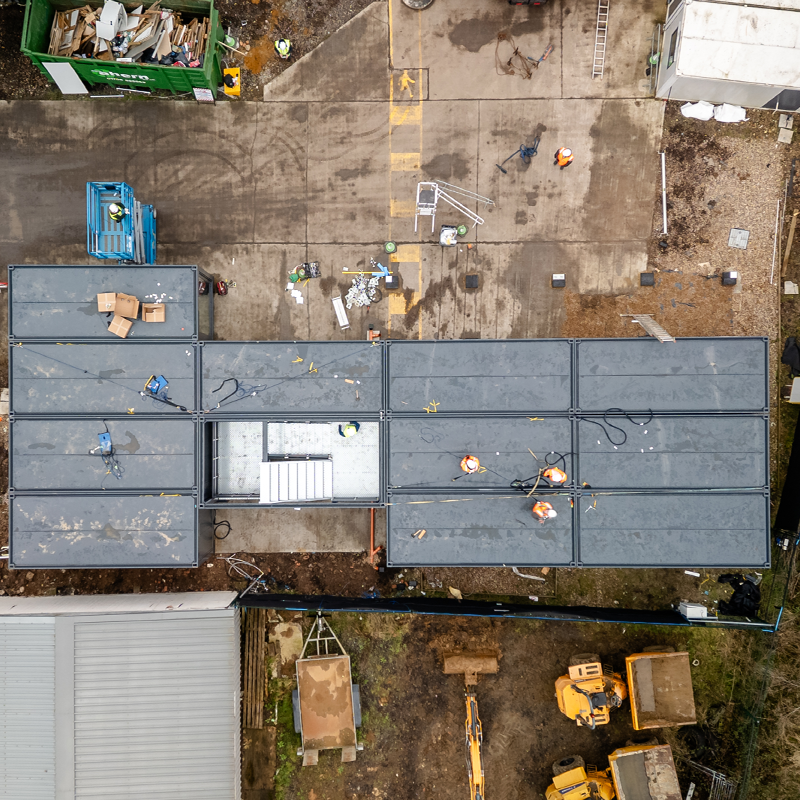
Operational needs can shift quickly, and the supporting infrastructure must keep pace. Modular layouts allow buildings to expand, reduce or relocate as activity changes. Temporary buildings can serve short deployments, support longer upgrade periods or adjust to evolving plans, helping teams make efficient use of resources while keeping capacity aligned with demand.
Support from Planning to Installation
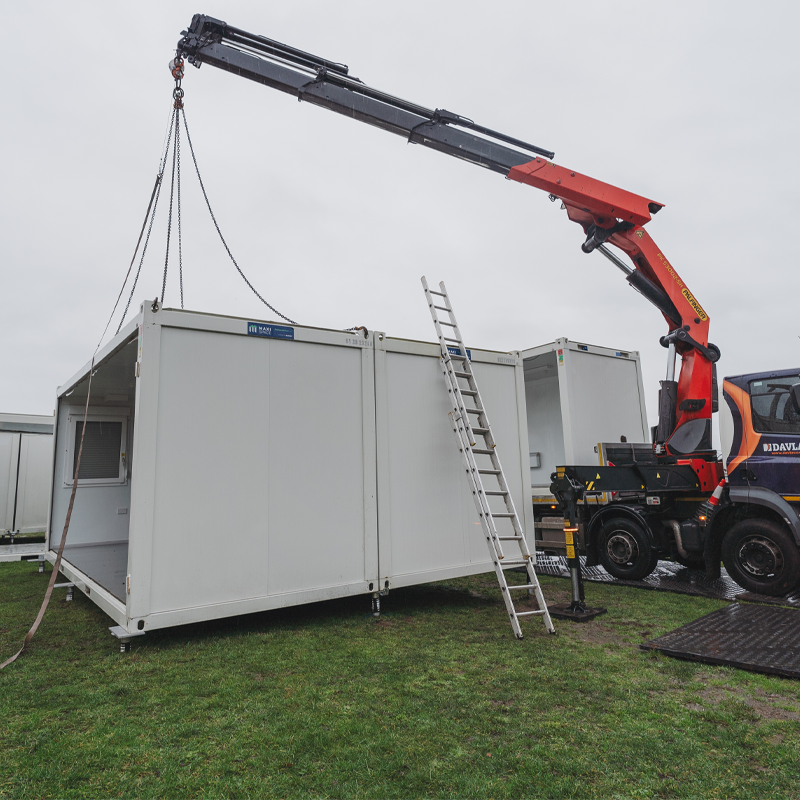
Maxi Space works with defence clients throughout the planning and installation process. Factory production shortens time spent on site, and a clear sequencing plan ensures installations align with security requirements and access controls. The result is dependable modular buildings and temporary shelters that are ready to use quickly and perform reliably throughout their service life.
Eastleigh Village Case Study – Concept
A concept like Eastleigh Village shows how modular design can create a complete, flexible environment that grows with the needs of its users. Temporary buildings form the foundation of the site, with modular buildings providing reliable, comfortable space that can be reconfigured or expanded as requirements change. Temporary shelter integrates naturally into the layout, offering safe accommodation, welfare areas and community space without long construction periods. By combining controlled factory production with adaptable design, the concept demonstrates how modular solutions can support activity, strengthen local infrastructure and deliver high‑quality space quickly, even when long‑term plans are still evolving.