When disaster strikes, uncertainty is immediate.  The need for functional support facilities becomes urgent. Relief teams do not have the luxury of time, and communities cannot afford delays. Rapid deployment and being able to deliver safe, functional spaces quickly is critically important.

Rapid Deployment

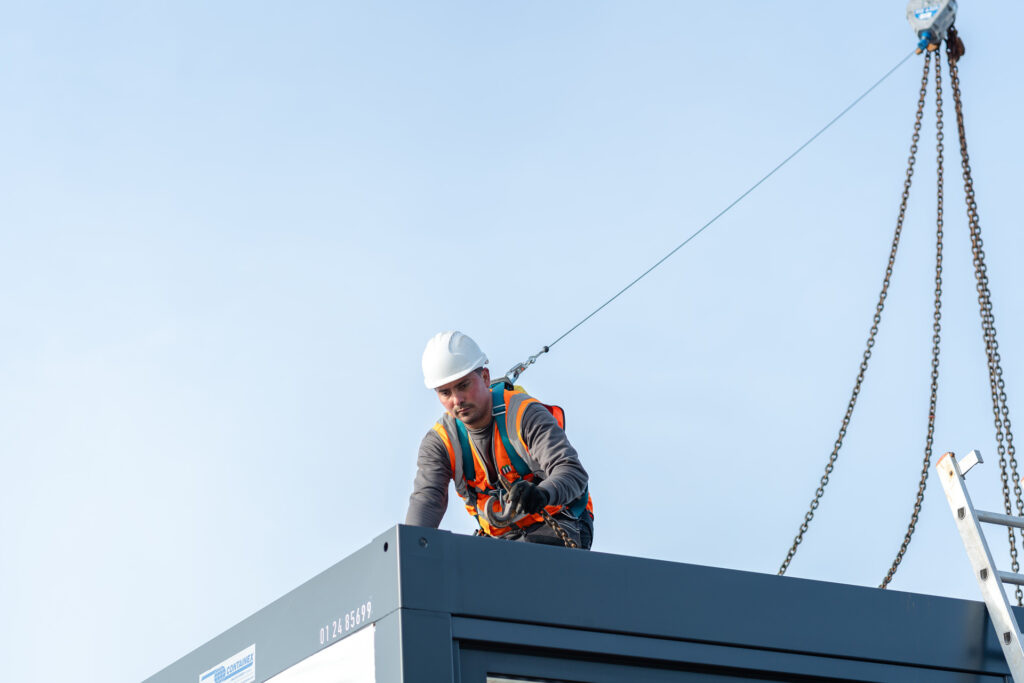
Speed is one of the greatest strengths of modular construction, especially when responding to urgent needs. Maxi Space’s approach centres on manufacturing modular buildings in controlled factory environments, where quality and efficiency are consistently upheld. By completing the bulk of the work off-site, installation times are significantly reduced once units reach their destination, allowing essential facilities to be operational far sooner than with traditional methods. This streamlined process ensures dependable, high-quality buildings can be delivered quickly, providing immediate support where it is needed most.

Temporary Shelter Solutions that Adapt to The Crisis

Disaster zones are unpredictable, and needs can shift rapidly. Temporary shelter solutions built through modular technology offer the flexibility required in these environments. Maxi Space’s ‘lift and shift’ capabilities enable it to easily relocate or reconfigure buildings as conditions evolve, supporting various purposes such as emergency accommodation to welfare units or operational hubs. This adaptability also extends to procurement, with flexible tenure options suitable for both short-term relief and longer-term transitional support.

Modular Buildings Built for Reliability in Unpredictable Environments

While speed is important, reliability remains non-negotiable. At Maxi Space, we design our modular buildings with durability and long-term performance in mind. Through innovative manufacturing, strict quality processes, and careful risk mitigation, we produce structures capable of withstanding demanding conditions to ensure safe, secure environments even when the surrounding situation is unstable.

Supporting Global Disaster Relief Efforts

Maxi Space operates with an international outlook, providing modular solutions that can be delivered and installed quickly wherever they’re needed. Many of our building ranges are designed for fast mobilisation, allowing organisations to respond effectively in locations where infrastructure is damaged, limited, or completely absent.
The way organisations utilise space is evolving. What was once a fixed, long-term decision is now much more adaptable, influenced by changing needs, unforeseen events, and the requirement to respond swiftly without sacrificing quality.

Modular buildings are often associated with speed and flexibility, but their real strength lies in how well they adapt to both short-term and long-term needs. Understanding these two approaches will help you choose a solution that works not just today, but as circumstances change.

Short-Term Modular Use

Short-term modular buildings are created to address urgent or temporary needs promptly. They are used when existing facilities become unavailable or when organisations need to act quickly to maintain continuity.

Responding to Unexpected Challenges

One of the most common short-term uses for modular buildings is emergency response. Schools, for instance, may need immediate classroom replacement following fire damage, structural issues, or even refurbishment. In such cases, speed is crucial to minimise disruption for pupils and staff.

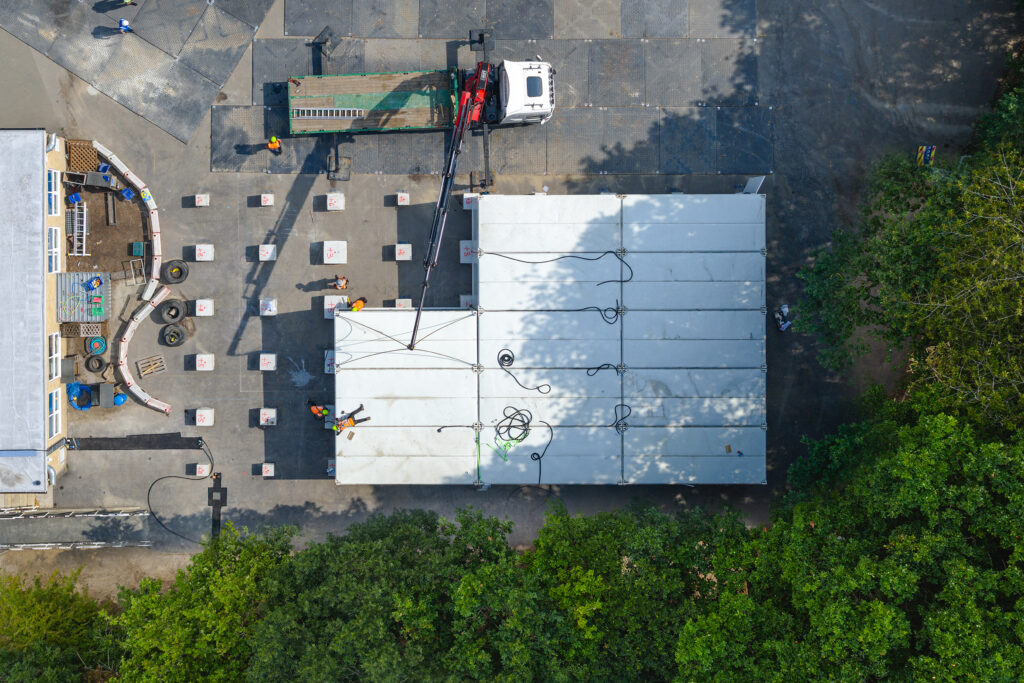
Modular buildings at Maxi Space are constructed off-site and installed rapidly, offering fully functional, clean spaces that enable normal operations to continue while permanent repairs or longer-term plans are arranged.

Flexible Support During Change

Short-term modular buildings are also valuable during periods of transition. This can include decant accommodation during refurbishment projects, temporary expansions to accommodate increased demand, or interim space while future requirements are still being assessed.

Cost-Controlled and Adaptable

For short-term needs, modular buildings offer a cost-effective solution that avoids the complexity and disruption of traditional construction. They allow organisations to meet immediate requirements while retaining flexibility for future developments.

Long-Term Modular Use

While modular builds are often linked to short-term use, they are equally effective as long-term solutions. Designed for durability and daily use, long-term modular buildings offer the performance of traditional structures with added flexibility.

Adaptable by Design

An ability to adapt is where modular buildings really thrive in the long term. As organisations grow or change, modular spaces can be:

·       Extended with additional modules

·       Reconfigured internally

·       Repurposed for different uses

·       Adapted in phases without major disruption

This makes long-term modular buildings ideal for when you can expect future change.

Modular buildings provide certainty without sacrificing flexibility, allowing spaces to evolve as needs change rather than becoming restrictive over time.

Choosing the Right Approach

The ultimate decision between short-term and long-term modular use comes down to certainty.

Short-term modular buildings are best suited to urgent, transitional, or uncertain scenarios where flexibility is essential. On the other hand, long-term modular buildings work best where organisations need durable, adaptable spaces that can support growth over time.

In the ever-evolving world of construction, modular buildings are proving to be a smarter, faster, and more sustainable alternative to traditional building methods. Modular construction has gained traction across various industries, offering flexible and innovative solutions that address many of the limitations posed by conventional techniques.

Speed of Construction
One of the most striking benefits of modular buildings is the speed at which they can be completed. Because the modules are constructed off-site in a controlled environment while groundwork is simultaneously carried out on-site, overall build time is significantly reduced. This efficient parallel process allows businesses and organisations to get up and running in a fraction of the time compared to traditional builds.

Cost-Effectiveness
Modular construction is not only faster—it’s often more economical. By manufacturing buildings in a factory setting, bulk material purchasing and streamlined labour lead to cost savings. Moreover, the quicker build time means reduced disruption and earlier occupancy, which can be financially advantageous for both commercial and public sector projects.

Flexibility and Adaptability
Unlike traditional buildings, modular structures are designed with adaptability in mind. They can be easily expanded, reconfigured, or even relocated to suit changing requirements. This is especially useful in sectors where demand fluctuates, such as education, healthcare, or events. Whether you need a temporary classroom, a permanent office, or additional living space, modular buildings offer a flexible solution.

Quality and Sustainability
Constructing modules in a factory-controlled environment ensures consistent quality and compliance with building regulations. Furthermore, modular buildings are a greener choice. They generate less waste, consume fewer materials, and have a smaller environmental footprint. Many modular systems are also recyclable or reusable, making them a sustainable option that aligns with modern environmental goals.

Wide Range of Applications
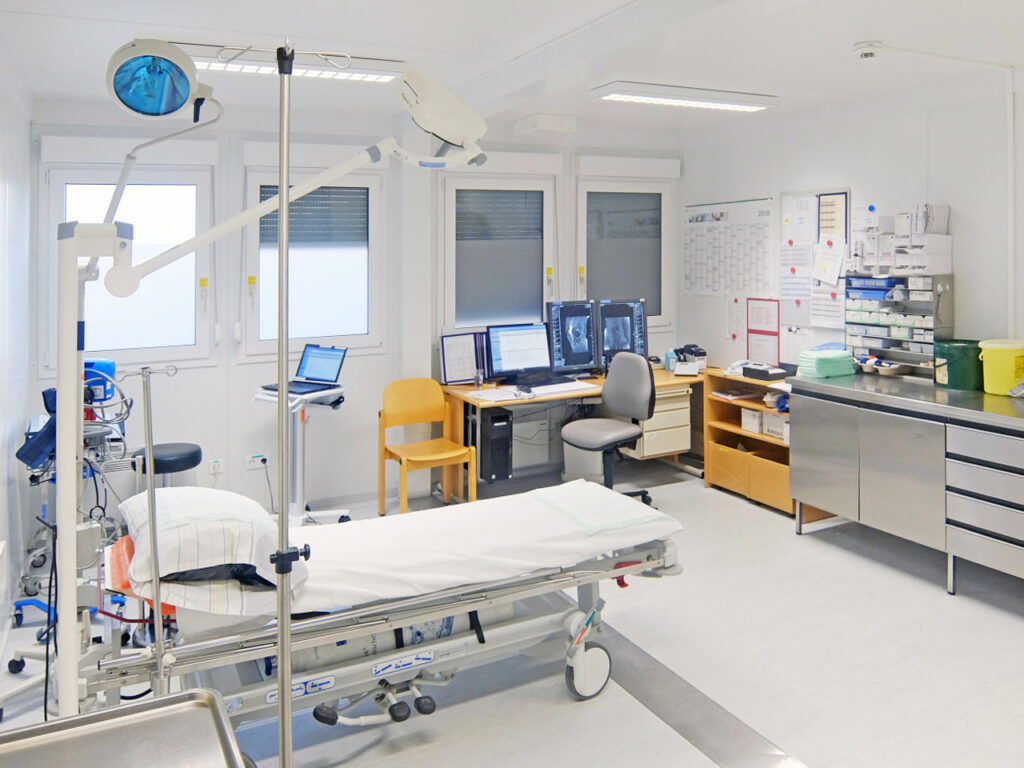
Modular buildings are incredibly versatile. They can be used in education, healthcare, retail, leisure, and beyond. From high-quality teaching spaces and fully equipped medical units to comfortable living accommodation and professional office environments, modular structures can be customised to meet specific needs across any sector.

Modular construction has gained traction across various industries, offering flexible and innovative solutions that address many of the limitations posed by conventional techniques.